
Understanding A/C Recharging in Your 2011 Toyota Sienna: Diagnosis, Repair, and Preventive Maintenance
Understanding A/C Recharging in Your 2011 Toyota Sienna: Diagnosis, Repair, and Preventive Maintenance
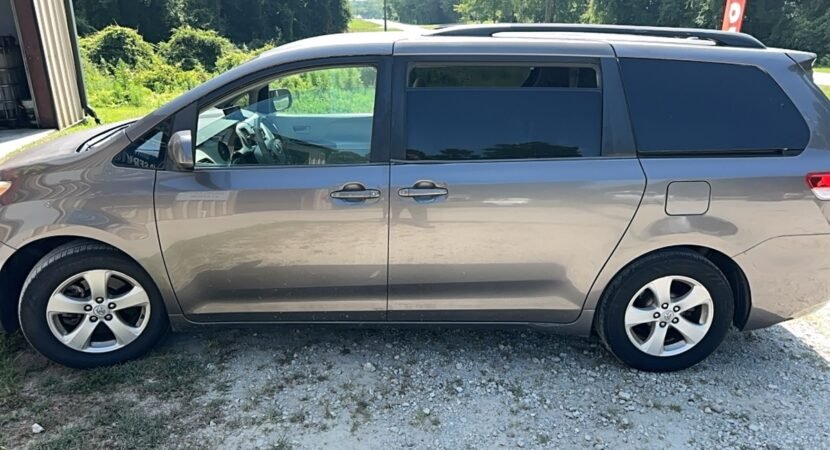
A customer brought their 2011 Toyota Sienna LE to Mobicare Automotive in Hubert, NC because the air conditioning was no longer blowing cold air. During our inspection, we confirmed the A/C system was low on refrigerant due to normal wear and aging seals. After verifying the system’s condition, we performed a complete A/C recharge to Toyota’s factory specifications and confirmed proper cooling performance.
Air conditioning issues are often caused by gradual refrigerant loss rather than complete component failure. Catching the problem early helps prevent unnecessary strain on the compressor and restores cooling performance before more expensive repairs become necessary.
Repair Summary
Vehicle: 2011 Toyota Sienna LE
Customer Concern: Air conditioning not blowing cold
Diagnosis: Low refrigerant caused by normal seal wear and age-related refrigerant loss
Repair Performed: Complete A/C system inspection, leak check, evacuation, and recharge to Toyota factory specifications
Location: Hubert, NC
Have You Noticed These Symptoms in Your Toyota Sienna?
If your Toyota Sienna’s air conditioning isn’t performing like it used to, you may notice:
- Warm air coming from the vents
- Weak cooling on hot days
- A/C takes longer than normal to cool the cabin
- Compressor cycling more frequently
- Reduced cooling while idling
These symptoms commonly indicate the refrigerant level has dropped below specification. Over time, refrigerant can slowly escape through aging seals, O-rings, and hose connections. This is normal as vehicles age, but it should always be properly diagnosed before simply adding refrigerant.
Low refrigerant doesn’t just affect comfort. It can force the compressor to work harder, increasing wear and potentially leading to expensive component failures if ignored.
2011 Toyota Sienna A/C Diagnosis and Refrigerant Recharge
When this Toyota Sienna arrived at our shop, our technicians began by performing a complete A/C system inspection.
The diagnostic process included:
- Measuring refrigerant levels
- Inspecting the system for leaks
- Evaluating compressor operation
- Verifying operating pressures
- Confirming overall system performance
Our testing confirmed the refrigerant charge was below Toyota’s specification due to gradual loss from normal wear and aging seals. No major component failures were identified during the inspection.
How We Repaired the Air Conditioning System
After completing our diagnosis, we restored the system using professional A/C service equipment.
Our repair process included:
- Recovering the remaining refrigerant using EPA-approved equipment
- Performing a vacuum test to verify system integrity
- Removing moisture and contaminants from the system
- Recharging the exact amount of refrigerant specified by Toyota
- Verifying operating pressures and vent temperatures
- Confirming proper compressor operation and cooling performance
Following the recharge, the system was producing cold air and operating within Toyota’s specifications.
Why Refrigerant Loss Happens
Many drivers believe refrigerant should never need servicing. While refrigerant is contained inside a sealed system, small amounts can gradually escape over many years through seals, O-rings, and hose connections.
Common causes include:
- Aging rubber seals
- O-ring deterioration
- Minor hose seepage
- Normal system wear
- Long periods without operating the A/C
Regular inspections help identify these issues before they become major repairs.
Frequently Asked Questions
What should I do if my Toyota Sienna isn’t blowing cold air?
If your air conditioner has lost cooling performance, schedule an inspection as soon as possible. Continuing to operate the system with low refrigerant can place additional stress on the compressor and lead to more expensive repairs.
Can low refrigerant damage the compressor?
Yes. Refrigerant also carries compressor oil throughout the system. When refrigerant levels become too low, lubrication decreases and compressor temperatures increase, which can shorten compressor life.
What happens during an A/C recharge?
Our technicians recover the remaining refrigerant, inspect the system for leaks, evacuate moisture with a vacuum pump, recharge the exact factory-specified refrigerant amount, and verify proper operating pressures and vent temperatures.
How long does an A/C recharge take?
Most A/C recharge services take approximately 2 to 3 hours, depending on the vehicle and whether additional repairs or leak diagnostics are required.
Can I prevent refrigerant loss?
While some refrigerant loss occurs naturally as vehicles age, routine inspections can identify small leaks before they become major problems. Running your A/C periodically throughout the year also helps keep internal seals lubricated.
Trusted Toyota Repair in Hubert, NC
At Mobicare Automotive, we regularly diagnose Toyota Sienna A/C problems for drivers throughout Hubert, Jacksonville, Swansboro, Cape Carteret, Emerald Isle, and the surrounding areas.
Whether your air conditioner is blowing warm air, cooling intermittently, or not working at all, our technicians perform complete system diagnostics to identify the actual cause instead of simply adding refrigerant.
Our goal is to repair your vehicle correctly the first time while helping you avoid unnecessary repairs.
Schedule Your Toyota Sienna A/C Service Today
If your 2011 Toyota Sienna isn’t blowing cold air, don’t wait until the problem becomes more expensive.
At Mobicare Automotive in Hubert, NC, we provide professional A/C diagnostics, refrigerant recharging, leak detection, and complete automotive repair services to keep your vehicle dependable year-round.
Call us today at (910) 421-0333 or schedule your appointment online:
We’ll inspect your entire A/C system, verify the correct repair, and help keep your Toyota ready for North Carolina’s hottest days.!