
1996 Ford Ranger Clutch Won’t Shift? Here’s What We Found
1996 Ford Ranger Clutch Won’t Shift? Here’s What We Found
Why This Ford Ranger Needed a Clutch Repair
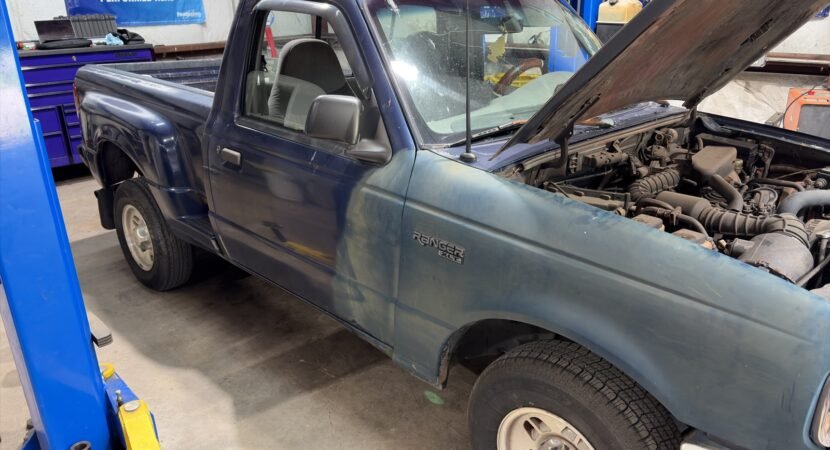
A customer brought us a 1996 Ford Ranger because it was difficult to shift gears. During our inspection, we found a failed clutch slave cylinder, a worn release (thrust) bearing, and hydraulic fluid leaking inside the bellhousing. After confirming the cause of the failure, we recommended replacing the complete clutch assembly to restore reliable operation. Here’s how we diagnosed the problem, why these components failed, and what it took to get this Ranger back on the road.
- Issue: Clutch won’t engage or disengage properly
- Problem: Deteriorated clutch slave cylinder and thrust bearing
- Solution: Replaced slave cylinder, bearing, and transmission housing
- Location: Hubert service
Have You Noticed These Symptoms in Your 1996 Ford Ranger?
A 1996 Ford Ranger XLT came to Mobicare Automotive with a problem many truck owners face: a clutch that wouldn’t engage or disengage properly, making it hard or impossible to shift gears. If you’ve noticed a soft or spongy clutch pedal, trouble shifting, or a clutch that won’t fully engage or disengage, your truck might be experiencing the same wear we found in this vehicle.
These symptoms are usually the first sign your clutch system is wearing out. The good news is that catching these issues early can help you avoid a complete breakdown and spot other maintenance problems before they become safety concerns.
Common Clutch Failure Symptoms
- Difficulty shifting gears: The clutch won’t fully disengage, making gear changes rough or impossible
- Soft or spongy clutch pedal: The pedal feels less responsive than usual and requires more pressure to engage
- Clutch slipping: The engine revs but the truck doesn’t accelerate as expected
- Grinding noises when shifting: A sign that the clutch isn’t disengaging completely
- Burning smell from the clutch: Indicates excessive friction and wear
Why These Symptoms Matter
In a truck this age, clutch problems rarely happen by themselves. When your clutch starts to fail, other components like the slave cylinder, thrust bearing, and transmission housing are usually wearing out too. Addressing these symptoms early prevents more expensive repairs and keeps your truck safe and reliable
What Our Technicians Found During the Inspection
After confirming the customer’s concern, our technicians performed a thorough inspection of the clutch system.
During the inspection, the clutch hydraulic reservoir was found to be low. We tested clutch pedal operation and found that the pedal was sticking and not returning smoothly through its full range of travel. After removing the inspection cover from the bellhousing, we found hydraulic fluid contamination inside the transmission housing, confirming an internal clutch slave cylinder failure.
Based on our findings, we recommended replacing the:
- Clutch slave cylinder
- Release (thrust) bearing
- Clutch disc
- Pressure plate
Because the transmission must already be removed to access these components, replacing the complete clutch assembly helps prevent future failures and avoids paying for the same labor twice.
Resolution Steps for 1996 Ford Ranger: Clutch System Repair and Preventive Maintenance
To fix the clutch failure in this 1996 Ford Ranger, our technicians followed a systematic approach that addressed both the immediate clutch issues and the broader maintenance needs we found during our inspection.
Step 1: Clutch Slave Cylinder Replacement
We removed the transmission to access the clutch slave cylinder, which had clearly failed. Our technicians replaced the deteriorated slave cylinder with a certified OEM component, restoring proper hydraulic engagement and disengagement of the clutch. This step got the truck shifting smoothly and reliably again.
Step 2: Clutch Thrust Bearing Replacement
With the transmission out, we replaced the worn clutch thrust bearing, which disengages the clutch when you press the pedal. We installed a high-quality OEM replacement bearing that restored proper clutch release and eliminated the grinding noises and shifting difficulty the customer had experienced.
Step 3: Transmission Housing Inspection and Cleaning
Before putting everything back together, we inspected the transmission housing for contamination, leaks, or damage. We cleaned it thoroughly to remove any debris or wear particles that could damage the new components and affect long-term performance.
Step 4: System Testing and Quality Verification
After completing all repairs, we conducted a thorough road test to verify clutch engagement and disengagement. We confirmed that all replaced components functioned within manufacturer specifications and that the truck’s overall performance met our standards.
Frequently Asked Questions About Clutch and Drivetrain Service
What should I do if my clutch pedal feels soft or spongy?
A soft or spongy clutch pedal is a serious warning sign that needs immediate attention. This usually means your clutch slave cylinder is failing or there’s air in the hydraulic lines, both of which compromise your ability to safely engage and disengage the clutch. Stop driving the truck until you have it inspected. Continuing to drive with a failing clutch can damage the transmission and other drivetrain components.
How does my clutch slave cylinder affect my truck’s shifting performance?
The clutch slave cylinder is the hydraulic component that engages and disengages your clutch when you press the pedal. When it fails, hydraulic pressure can’t properly disengage the clutch, making gear changes rough, difficult, or impossible. A deteriorated slave cylinder directly impacts your truck’s ability to shift smoothly and safely, which is why replacement is essential for restoring proper drivetrain function.
What can I expect during the clutch replacement process for my 1996 Ford Ranger?
During clutch replacement, we first perform a comprehensive diagnostic to assess the clutch system and related components. We then remove the transmission to access the clutch assembly, which typically takes 2 to 3 hours. Next, we replace the clutch slave cylinder and thrust bearing with OEM components, inspect the transmission housing for contamination or damage, and clean it thoroughly. We also inspect related systems like brakes, steering, and suspension. After reassembly, we conduct a detailed road test to verify proper clutch engagement, shifting smoothness, and overall vehicle performance. The complete process typically takes 4 to 6 hours depending on additional repairs needed.
Why should I invest in a transmission housing inspection during clutch service?
A transmission housing inspection during clutch work provides long-term protection for your investment. The housing can show signs of contamination, leaks, or damage that compromise clutch performance and lead to expensive transmission repairs if left unaddressed. By inspecting and cleaning the housing now, you prevent debris from damaging newly installed clutch components, extend the life of your repair, and avoid costlier transmission work down the road. This preventive step saves you money and ensures your clutch repair lasts.
How can I prevent clutch failure in my aging truck?
Regular inspections are your best defense against clutch failure. Have your clutch system checked every 30,000 to 50,000 miles, especially if you use your truck for towing or frequent stop-and-go driving, which accelerates wear. Avoid riding the clutch pedal, don’t hold the truck on hills using only the clutch, and address any symptoms like soft pedal feel or difficulty shifting immediately. Additionally, maintain your brake fluid and coolant through regular flushes. These preventive services protect the hydraulic systems that work with your clutch and prevent cascading failures across multiple vehicle systems.
What’s the difference between a clutch thrust bearing and a release bearing?
These terms refer to the same component. The thrust bearing, also called the release bearing, is the part that disengages the clutch when you press the pedal. When it wears out, you lose the ability to smoothly disengage the clutch, resulting in grinding noises, difficulty shifting, and eventual complete clutch failure. Replacing this bearing is essential for restoring proper clutch operation.
When a Clutch Fails, There’s Usually More to the Story
A 1996 Ford Ranger XLT came to Mobicare Automotive with a customer complaint of a failed clutch. But here’s what we’ve learned from years of honest diagnostics: when one critical component fails, it’s rarely working alone. Our comprehensive vehicle inspection revealed a much bigger picture of wear and maintenance needs across multiple systems, and that’s exactly the kind of transparency our Hubert customers deserve.
Understanding Clutch Failure in Older Trucks
A clutch system failure doesn’t happen overnight. The clutch assembly works together with several critical components including the clutch slave cylinder, thrust bearing, and transmission housing. When a customer reports that their clutch has gone out, it typically means one or more of these components have worn beyond their functional limits. In a 1996 Ford Ranger, decades of use and engagement cycles take their toll on these precision parts.
The clutch system relies on several components working together. When the slave cylinder fails, it often damages or contaminates other clutch components, which is why replacing the complete clutch assembly is typically the most reliable repair.
At Mobicare Automotive Repair in Hubert, NC, we believe in transparent, comprehensive diagnostics that give our customers a complete picture of their vehicle’s condition. We explain what we find in plain language, show you exactly why each repair matters, and never recommend work you don’t need. Whether it’s a clutch replacement, brake service, suspension work, or fluid maintenance, we’re committed to keeping your truck reliable and safe on the road.
Keep Your Vehicle Running Smoothly with Clutch and Drivetrain Service in Hubert, NC
Regular maintenance is key to your vehicle’s longevity. At Mobicare Automotive Repair in Hubert, we offer comprehensive clutch system diagnostics and repairs to ensure your vehicle runs at its best. Don’t wait for a complete failure to happen. Contact us at 910-421-0333 or email contact@mobicarenc.com to schedule your comprehensive vehicle inspection today at
Written by Mobicare Automotive Repair